What Is a Spiritual Practice and Why Does It Matter?

In our fast-paced, increasingly digital world, many people are searching for deeper meaning, inner peace, and a connection to something greater than themselves. Amid the demands of daily life, one concept has remained a guiding force for millions around the globe: spiritual practice. But what exactly is a spiritual practice, and why does it hold such significance across cultures and generations?
This article explores the meaning of spiritual practice, its diverse forms, the benefits it brings, and why it remains a cornerstone of human experience.
Defining Spiritual Practice
A spiritual practice is any activity or discipline that helps individuals connect with their inner self, the divine, or the greater universe. It is a regular, intentional act aimed at deepening one’s spiritual understanding and personal growth. While the term “spiritual” may sound religious to some, spiritual practices are not limited to any particular faith tradition. In fact, they transcend religion and can be deeply personal, rooted in secular or philosophical perspectives as well.
At its core, a spiritual practice is a path to inner awareness, transformation, and harmony. It brings individuals closer to their own truth, to others, and to the mysteries of life that cannot be grasped through logic or material pursuit alone.
Historical and Cultural Roots
Spiritual practices have existed since the dawn of human civilization. From the yogic traditions of India, Buddhist meditation, Christian contemplative prayer, and Islamic Sufi chanting, to Native American vision quests and African tribal rituals, people have always found ways to engage the spirit.
These practices were not merely religious duties; they were deeply integrated into daily life. They provided meaning, moral structure, and a way to align the individual with the natural and cosmic order.
Today, even with scientific advancements and global modernization, spiritual practices continue to flourish, evolving to suit contemporary needs while retaining their timeless essence.
Types of Spiritual Practices
Spiritual practices are incredibly diverse. Here are some common types that people engage in:
1. Meditation and Mindfulness
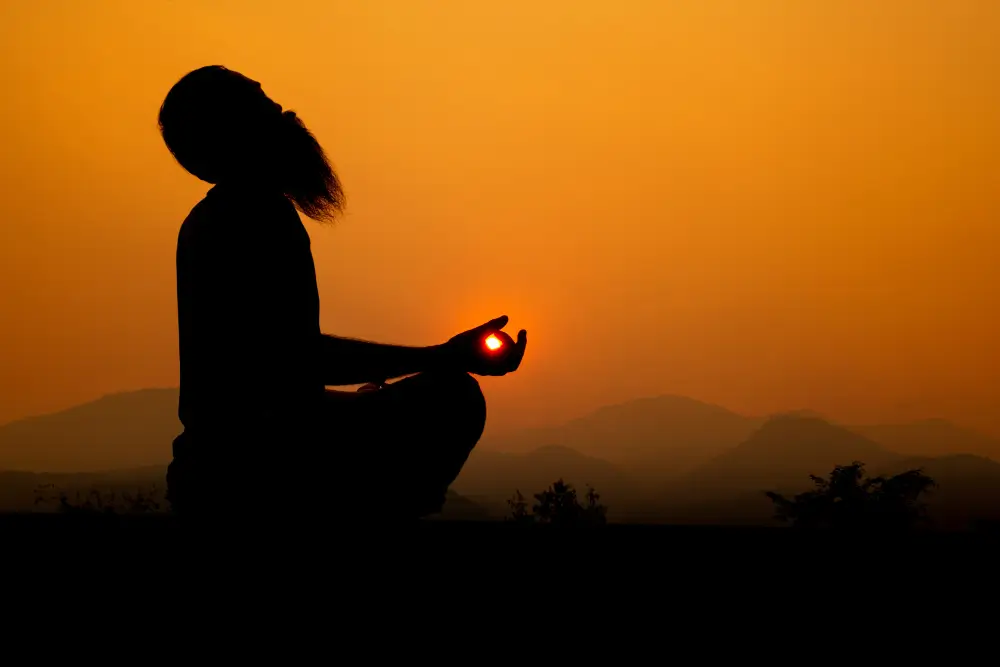
Meditation is perhaps the most universally recognized spiritual practice today. Whether it’s Buddhist Vipassana, Hindu dhyana, Christian centering prayer, or secular mindfulness, meditation involves turning inward, observing thoughts, and cultivating awareness.
Why it matters: Meditation calms the mind, reduces stress, and fosters insight and clarity.
2. Prayer
Prayer, in many traditions, is a way to communicate with the divine. It can be silent or spoken, structured or spontaneous. For some, it involves asking or thanking; for others, it’s simply being in the presence of God.
Why it matters: Prayer strengthens faith, provides emotional comfort, and reminds one of the sacredness of life.
3. Yoga and Sacred Movement
Yoga is more than physical exercise; it is a spiritual discipline that unites the body, mind, and spirit. Other forms of sacred movement include Tai Chi, Qigong, or even expressive dance.
Why it matters: These practices awaken spiritual energy, promote balance, and align the practitioner with universal flow.
4. Chanting and Mantra Repetition
Chanting sacred sounds or mantras helps to focus the mind and awaken spiritual energy. Traditions like Hinduism, Buddhism, and Sikhism use mantra japa (repetition) as a path to spiritual awakening. Chanting the Powerful Chalisa like Hanuman Chalisa improves your concentration and calm your mind.
Why it matters: Sound has a vibrational power that can elevate consciousness and deepen devotion.
5. Study of Sacred Texts
Reading and contemplating scriptures or philosophical texts can also be a spiritual practice. The Bhagavad Gita, the Bible, the Quran, or even secular works like the Tao Te Ching are studied to gain wisdom and perspective.
Why it matters: It expands understanding and inspires spiritual insight.
6. Acts of Service (Seva)
Serving others selflessly is a powerful spiritual act. Whether it’s volunteering at a shelter or simply helping a neighbor, service dissolves ego and nurtures compassion.
Why it matters: Service shifts the focus from self to others, cultivating humility and love.
7. Rituals and Ceremonies
Lighting candles, observing fasts, or participating in seasonal rituals are symbolic ways to honor the sacred. These acts can be communal or solitary.
Why it matters: Rituals provide structure, meaning, and a sense of sacred continuity.
8. Nature Connection
Spending time in nature, observing its rhythms, or walking mindfully through a forest can be profoundly spiritual. Many indigenous traditions are deeply rooted in nature reverence.
Why it matters: Nature reminds us of our interconnectedness and the miracle of life.
Why Spiritual Practice Matters
In today’s chaotic world, spiritual practice offers a refuge — not as an escape, but as a means to face life with greater resilience, purpose, and depth.
1. Inner Peace and Mental Health
Regular spiritual practice reduces anxiety, stress, and depression. Practices like meditation, prayer, and breathing techniques stimulate the parasympathetic nervous system, promoting relaxation and emotional stability.
2. Self-Awareness and Growth
Through spiritual reflection, people begin to understand their desires, fears, and motivations. This self-awareness is the key to authentic living.
3. Stronger Values and Morality
Spirituality instills values such as compassion, honesty, forgiveness, and humility. These guide ethical behavior and create a harmonious society.
4. Connection and Belonging
Spiritual practices help individuals feel connected — to themselves, to others, to nature, and to the divine. This sense of connection combats loneliness and isolation.
5. Resilience During Hardship
When facing illness, loss, or crisis, spiritual practices provide strength and hope. They help people find meaning even in suffering.
6. Purpose and Fulfillment
A spiritual life is a purposeful life. When one engages in practices that nourish the soul, life takes on deeper meaning beyond material success.
7. Creativity and Intuition
Spirituality opens the door to inspiration and deeper perception. Many artists, scientists, and thinkers report that their greatest insights come during moments of spiritual connection.
Misconceptions About Spiritual Practice
While spiritual practice is beneficial, there are many misconceptions that can hinder people from embracing it:
“I’m not religious, so I don’t need spiritual practice.”
Spirituality is not the same as religion. You don’t need to believe in a particular doctrine to meditate, reflect, or connect with the divine within.
“Spirituality is only for monks and saints.”
Spirituality is for everyone. You don’t need to renounce the world or live in a monastery to live spiritually. A parent raising children, a student studying, or a business owner can all lead deeply spiritual lives.
“It takes too much time.”
Even five minutes of mindful breathing or silent reflection can make a difference. Spiritual practice is about quality, not quantity.
How to Begin a Spiritual Practice?
If you’re new to spiritual practice, here are a few steps to get started:
1. Start Small
Pick one practice that resonates with you — maybe a daily 5-minute meditation or a gratitude journal.
2. Be Consistent
Spiritual growth comes with regularity. Set aside a specific time each day, even if it’s just a few minutes.
3. Create Sacred Space
Designate a quiet spot in your home with a candle, image, or object that inspires you. This will serve as a gentle reminder and support your practice.
4. Stay Open and Curious
There’s no one-size-fits-all. Try different practices and see what works for you. Your path will evolve with time.
5. Seek Guidance
If you feel drawn, connect with a teacher, spiritual community, or read texts that guide and inspire you.
Integrating Spiritual Practice Into Daily Life
Spirituality is not just for the meditation cushion or temple. It can be infused into every moment:
- Mindful eating – giving thanks before meals.
- Walking meditations – being aware of each step.
- Listening deeply – being fully present with others.
- Gratitude – ending each day reflecting on blessings.
- Work as worship – performing duties with devotion.
When practiced sincerely, spiritual living transforms everyday life into a sacred journey.
The Transformative Power of Spiritual Practice
A consistent spiritual practice doesn’t just add peace or clarity; it changes who you are. Over time, it:
- Transforms perspective – from ego-centered to soul-centered.
- Purifies the mind – clearing out fear, judgment, and attachment.
- Elevates consciousness – opening one to higher truths and unity.
- Awakens the heart – deepening compassion and joy.
This transformation is not merely theoretical — it is lived and felt. Countless people across the world attest to the inner awakening and outer harmony they’ve experienced through spiritual discipline.
Conclusion
In an age of distractions, uncertainties, and disconnection, spiritual practice is not a luxury — it is a necessity. Whether you chant mantras, meditate in silence, walk in nature, or serve your community, the goal is the same: to remember who you are beyond the surface, to live with integrity, to love without condition, and to realize your oneness with all life.
Spiritual practice is a journey, not a destination. And on this journey, each step taken with intention brings you closer to peace, purpose, and the divine source within.