Match Making in Vedic Astrology: The Ancient Art of Finding Compatibility

In Vedic astrology, match making, or Kundali Milan, is more than just comparing two horoscopes before marriage. It’s an ancient and systematic method that looks at the energetic harmony between two people. The idea is simple but profound: when two individuals come together in marriage, their energies, temperaments, and karmic paths blend. Astrology helps determine how smooth or challenging that blending might be.
Modern couples often view astrology as optional, but in traditional Indian culture, especially in Hindu families, horoscope matching remains an integral part of the marriage process. Far from superstition, this practice has deep symbolic and psychological meaning that still holds relevance today.
In this article, I am going to show you Match Making in Vedic astrology and why it is important to do it before marriage for a better and prosperous married life.

Significance of Match Making In Vedic Astrology
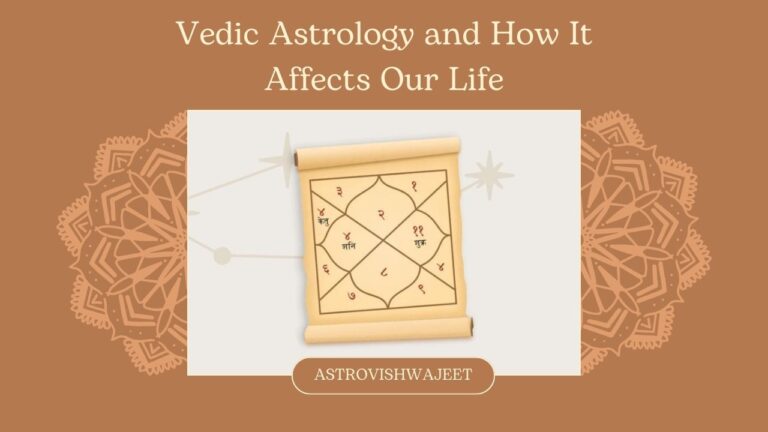
Vedic astrology, or Jyotish Shastra, is based on the belief that cosmic patterns influence human life. Every individual is born at a specific time and place under a unique planetary alignment. This cosmic snapshot, called the Janma Kundali or birth chart, reflects not just a person’s personality but also their destiny, emotional tendencies, and life experiences.
Marriage is seen as a sacred union of two souls meant to support each other’s spiritual evolution. Therefore, before tying the knot, astrologers study the Kundalis of both partners to understand how their planets interact. The goal is to ensure harmony in physical, emotional, mental, and spiritual levels.
The Eight Traditional Ashtakoota Factors
The most common system used in Vedic astrology for compatibility is the Ashtakoota Milan or eight-point system. In Sanskrit, Koota means “category,” and each one measures a different area of compatibility. The system allocates a maximum of 36 points (gunas). A match scoring 18 or more is generally considered acceptable, though deeper analysis is always recommended.
Here’s a breakdown of each Koota and what it reveals:
1. Varna Koota (1 point)
This compares the spiritual and mental compatibility of the couple. The zodiac is divided into four categories corresponding to the four Varnas—Brahmin, Kshatriya, Vaishya, and Shudra. It indicates how the partners relate on an intellectual and spiritual level. The groom’s Varna should be higher or equal to the bride’s for ideal harmony.
2. Vashya Koota (2 points)
Vashya means attraction or control. It reflects the balance of power and influence between partners. Certain signs are more dominant, while others are receptive. For example, fire signs tend to be natural leaders, while water signs are more adaptive. A good Vashya score shows mutual respect and balanced affection.
3. Tara Koota (3 points)
Also known as Dina Koota, this compares the birth stars (Nakshatras) of both individuals. It measures emotional compatibility, well-being, and longevity of the relationship. It ensures that the couple supports each other’s health and overall happiness. A higher Tara score signifies emotional stability.
4. Yoni Koota (4 points)
This is one of the more intimate aspects of compatibility. Yoni means “symbolic animal form” of each Nakshatra. It measures physical attraction, sexual compatibility, and instinctive behavior. Each Nakshatra is associated with a specific animal—like lion, elephant, or deer—and some animal pairs are naturally harmonious while others clash.
5. Graha Maitri Koota (5 points)
This compares the planetary rulers (Lords) of the Moon signs of both partners. It shows mental and emotional bonding, intellectual understanding, and friendship. If the ruling planets are naturally friendly, the couple tends to share mutual respect and communication flows easily.
6. Gana Koota (6 points)
One of the most important factors, Gana Koota assesses is temperament compatibility. The 27 Nakshatras are divided into three groups—Deva (divine, gentle), Manushya (human, practical), and Rakshasa (aggressive, assertive). Ideally, both partners should belong to compatible Ganas. A mismatch here can lead to frequent disagreements or differences in approach to life.
7. Bhakoot Koota (7 points)
Bhakoot or Rashi Kuta examines the emotional and financial aspects of marriage. It is derived from the relative position of Moon signs in both charts. Certain combinations bring prosperity and harmony, while others can indicate stress or separation. This Koota is particularly significant for long-term emotional stability.
8. Nadi Koota (8 points)
Nadi is the most important Koota, carrying the highest points. It represents physiological and genetic compatibility. The Nadi of each person is linked to their body constitution (Dosha—Vata, Pitta, Kapha). Matching the same Nadi can lead to health and reproductive issues, according to tradition, so it’s ideally avoided.
Scoring and Interpretation
After evaluating all eight Kootas, the total score out of 36 is calculated.
Here’s a general guideline:
- Above 30 points: Excellent match. Highly compatible.
- 25–30 points: Good match with strong understanding.
- 18–24 points: Acceptable match; minor adjustments needed.
- Below 18 points: Not recommended traditionally.
However, modern astrologers caution that numbers alone don’t determine a relationship’s fate. A high score can’t guarantee success, and a low one doesn’t doom a marriage. The Ashtakoota is just a screening tool; real assessment goes deeper.
Beyond Ashtakoota: The Detailed Analysis
Experienced astrologers never stop at the Ashtakoota score. They study both charts in depth to uncover subtler aspects that influence married life. Some of the key considerations include:
1. Manglik Dosha (Kuja Dosha)
This occurs when Mars (Mangal) occupies certain houses (1st, 4th, 7th, 8th, or 12th). It can make a person assertive or aggressive, affecting relationships. If one partner is Manglik and the other isn’t, it can create imbalance. However, the Dosha can be canceled or neutralized in many cases depending on other planetary placements.
2. Position of Venus and Jupiter
Venus governs love, romance, and physical comfort, while Jupiter represents wisdom and righteousness. Their placement and strength reveal how partners express affection, handle differences, and grow together. A well-placed Venus and Jupiter in both charts usually indicate mutual respect and emotional satisfaction.
3. Seventh House and Its Lord
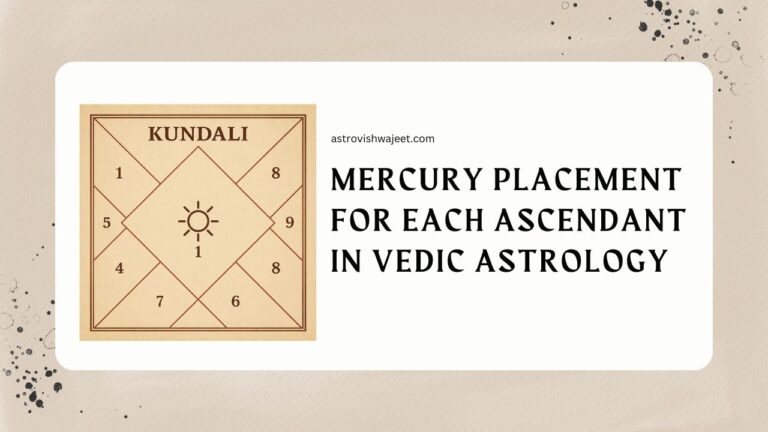
The 7th house in a birth chart directly represents marriage and partnerships. Its lord and any planets placed there give deep insight into the nature of one’s spouse, timing of marriage, and relationship patterns. If the 7th house is afflicted or weak, it can create challenges in relationships.
4. Navamsa Chart (D9 Chart)
The Navamsa, or divisional chart D9, is crucial for marriage analysis. It’s like a zoomed-in view of a person’s marital karma. While the birth chart shows possibilities, the D9 shows how those possibilities manifest in married life. A strong D9 with benefic aspects often overrides minor issues in the main chart.
5. Dasha Periods
Planetary periods (Mahadashas and Antardashas) influence timing and experiences in life. If both partners enter challenging Dashas simultaneously, conflicts can arise even if compatibility looks good otherwise. Astrologers check the running and upcoming Dasha periods to gauge timing for marriage and relationship stability.
6. Transits and Timing
Transits of Jupiter, Saturn, and Rahu/Ketu around the 7th house or Venus can activate marriage-related events. Timing the marriage during favorable transits can bring long-lasting harmony and reduce friction caused by negative influences.
The Psychological and Practical Side of Match Making
While the process may seem mystical, Vedic matchmaking is rooted in logic. Each planetary factor corresponds to tangible traits—temperament, attraction, communication style, and life goals. When two charts align well, it usually means the couple will naturally understand and complement each other.
But astrology doesn’t replace emotional maturity, communication, or mutual effort. It simply helps identify areas that might need awareness. For instance, if a couple’s Gana Koota is mismatched, they can consciously work on patience and understanding. If Nadi is the same, they can take health precautions or consult a family astrologer for remedies.
In today’s world, many astrologers encourage seeing Kundali Milan as a compatibility guide, not a rigid rulebook. Love, respect, and shared values can transcend a few mismatched points.
Remedies for Dosha or Mismatch
When issues appear in the charts, astrology offers traditional remedies (upayas) to balance planetary energies. These remedies aren’t magical fixes but symbolic actions that cultivate awareness and harmony. Common practices include:
- Mantra chanting: Repetition of specific planetary mantras (like Hanuman Chalisa for Mars, or Guru mantra for Jupiter) to balance energy. In serious cases, Maha Mritunjaya Jaap is needed.
- Puja and havan: Rituals performed to appease specific planets.
- Gemstone therapy: Wearing gemstones that strengthen benefic planets.
- Charity and seva: Acts of generosity aligned with a planet’s nature (for instance, donating red cloth or food on Tuesdays to balance Mars).
- Marriage timing: Choosing an auspicious muhurta (time) for the wedding when planetary influences are favorable.
It’s important to consult a knowledgeable astrologer before adopting any remedy, as every chart is unique.
Match Making in Modern Context
In urban India and among the diaspora, astrology-based matchmaking has evolved. Many young people still get their horoscopes checked, but they also consider personal chemistry, shared values, and emotional connection. Dating apps and matrimonial websites even offer automated Kundali matching, but these systems often rely only on Ashtakoota scores.
A more holistic approach involves combining traditional astrology with psychological insight. A good astrologer today looks beyond doshas and points, interpreting charts in terms of emotional compatibility, communication style, and shared goals. For example:
- A strong Moon connection indicates emotional bonding.
- Mutual aspects between Venus and Mars suggest attraction.
- Jupiter aspects show moral and intellectual compatibility.
- Saturn links reveal endurance and commitment potential.
This blend of ancient wisdom and modern understanding helps astrology stay relevant without being rigid.
Common Myths About Kundali Matching
There are many misconceptions around this practice. Let’s address a few:
- Myth: A low Ashtakoota score means marriage will fail.
Fact: It just highlights potential areas of conflict. With awareness and effort, couples can overcome them. - Myth: Manglik Dosha always causes separation.
Fact: The Dosha’s effect depends on multiple factors. Often, it’s mild or canceled. - Myth: Horoscope matching is only for arranged marriages.
Fact: Even couples in love marriages can use it to understand their compatibility better. - Myth: Only Hindus follow Kundali matching.
Fact: While rooted in Hindu tradition, astrology-based compatibility checks are practiced by people of many cultures, especially across South Asia.
The Deeper Purpose of Match Making
At its heart, Vedic astrology views marriage not just as companionship but as a spiritual partnership. Two souls come together to support each other’s growth, balance karmic debts, and progress on the path of dharma. When charts are matched thoughtfully, it helps ensure that the relationship is aligned with both individuals’ life purposes.
Compatibility isn’t about perfection. Even charts with challenges can lead to fulfilling marriages if both partners understand their cosmic blueprint and consciously nurture harmony. Astrology simply offers a map; how we walk the path depends on free will.
Conclusion
Match making in Vedic astrology is a profound and time-tested system that goes far beyond superstition. It’s a holistic approach to understanding the dynamics between two individuals—emotionally, mentally, physically, and spiritually.
While the Ashtakoota system provides a clear framework, true compatibility also depends on mutual respect, adaptability, and shared values. In that sense, astrology complements modern relationship wisdom rather than contradicting it.
In a world where relationships often face stress and uncertainty, the insights of Vedic astrology can serve as a valuable compass. It reminds us that every union is cosmic in nature, and when approached with awareness and sincerity, marriage becomes not just a social bond but a sacred journey of the soul.