Vedic Astrology and How It Affects Our Life

Vedic Astrology, also known as Jyotish Shastra, is an ancient Indian system of astrology rooted in the Vedas, the oldest sacred texts of Hinduism. Unlike Western astrology, which primarily focuses on the sun sign, Vedic astrology places emphasis on the moon sign (Rashi) and the rising sign (Lagna), offering a more nuanced understanding of one’s destiny. This science of light provides a roadmap for self-understanding, spiritual growth, and decision-making.
This article explores the foundations of Vedic astrology, its key components, and how it influences various aspects of human life—from personality and relationships to health, career, and spiritual evolution.
The Foundations of Vedic Astrology
1. The Origins in the Vedas
Vedic astrology is one of the six Vedangas, or limbs of the Vedas, specifically associated with the Kalpa Vedanga which deals with time and rituals. It is said to have been divinely revealed to the ancient rishis (sages) and later codified in texts such as the Brihat Parashara Hora Shastra, Saravali, and Jataka Parijata.
2. Sidereal vs. Tropical Zodiac
One of the most distinct aspects of Vedic astrology is its use of the sidereal zodiac, which aligns with the actual constellations in the sky. In contrast, Western astrology uses the tropical zodiac, which is aligned with the seasons and drifts over time due to the precession of the equinoxes. This makes Vedic astrology more astronomically precise.
3. The Natal Chart (Kundli)
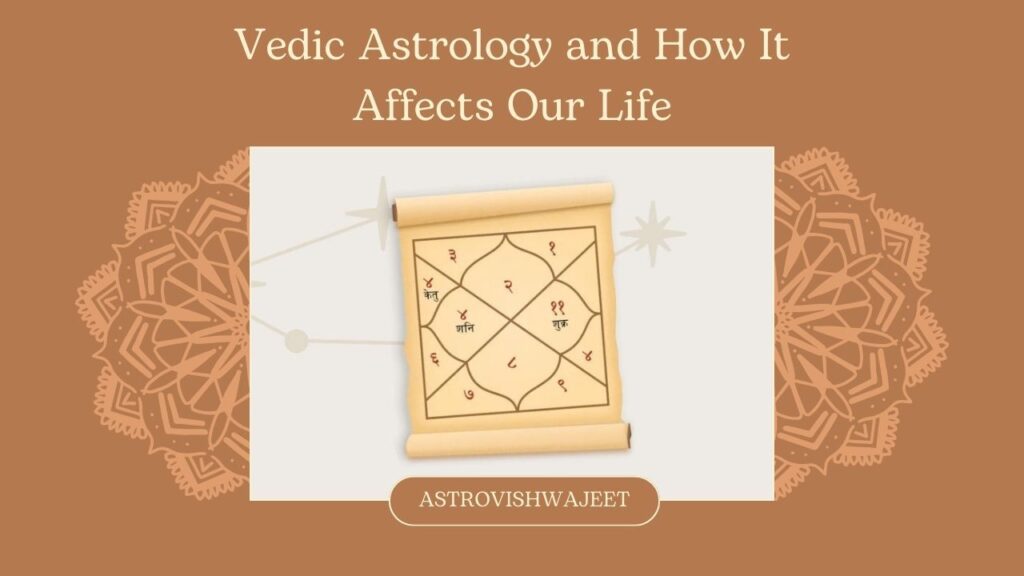
The cornerstone of Vedic astrology is the birth chart, known as the Janma Kundli or horoscope. It is a celestial snapshot of the sky at the exact time and place of an individual’s birth, comprising:
- 12 Houses (Bhavas): Represent different aspects of life (e.g., self, wealth, siblings, home, children, marriage).
- 9 Planets (Grahas): Sun, Moon, Mars, Mercury, Jupiter, Venus, Saturn, Rahu, and Ketu.
- 12 Zodiac Signs (Rashis): Aries (Mesha) to Pisces (Meena).
- Nakshatras (Lunar Mansions): 27 constellations that further fine-tune the analysis.
Key Elements of Vedic Astrology and Their Life Implications
1. The Ascendant (Lagna) and Rashi
The Ascendant represents the sign rising on the eastern horizon at birth and serves as the first house of the chart. It defines the outer personality, physical body, and overall life approach.
The Moon Sign (Rashi) governs the emotional world, subconscious mind, and psychological tendencies. Unlike sun-based Western astrology, Vedic predictions are often more accurate because they consider the Moon’s faster and more intimate influence on the human psyche.
2. The Planets (Grahas) and Their Significance
Each planet rules certain aspects of life:
- Sun (Surya): Soul, ego, father, authority, health
- Moon (Chandra): Mind, emotions, mother, intuition
- Mars (Mangal): Energy, aggression, courage, siblings
- Mercury (Budh): Communication, intellect, business
- Jupiter (Guru): Wisdom, wealth, spirituality, children
- Venus (Shukra): Love, beauty, relationships, luxury
- Saturn (Shani): Discipline, karma, hardship, longevity
- Rahu: Material desires, obsessions, illusions
- Ketu: Detachment, past karma, spirituality
Their positions, aspects, conjunctions, and house rulerships determine their influence on life.
3. The Houses (Bhavas)
Each of the 12 houses represents a sphere of life:
- Self, body, appearance
- Wealth, family, speech
- Siblings, courage, communication
- Home, mother, emotions
- Children, creativity, education
- Enemies, health, service
- Marriage, partnerships, legal affairs
- Longevity, transformation, occult
- Fortune, dharma, higher learning
- Career, status, authority
- Gains, desires, networks
- Losses, spirituality, foreign travel
A well-placed planet in a strong house can enhance life; a malefic one may bring challenges.
Major Divisional Charts (Vargas)
Vedic astrology employs multiple charts to analyze various areas of life. The most commonly used are:
- D1 (Rashi chart): Main birth chart
- D9 (Navamsa chart): Strength of planets and marriage
- D10 (Dasamsa chart): Career and profession
- D7 (Saptamsa chart): Children and creativity
These charts give deeper layers of insight and help refine predictions.
The Role of Dashas and Transits
1. Vimshottari Dasha
The Vimshottari Dasha system is a unique time cycle of planetary periods that governs different phases of life. Each person is born into a specific planetary period, and these periods (ranging from 6 to 20 years) reveal the unfolding of karmic events.
For example:
- Jupiter Dasha may bring wisdom, growth, and spiritual opportunities.
- Saturn Dasha might introduce discipline, tests, or transformation.
The effects depend on the planet’s strength, house placement, and aspects.
2. Gochara (Transits)
Planetary transits affect the world and individual charts. For example:
- Saturn’s 2.5-year transit through a sign (Sade Sati) can test endurance.
- Jupiter’s 1-year transit can expand opportunities where it aspects.
When dashas and transits align favorably or unfavorably, they trigger significant life events.
How Vedic Astrology Affects Different Aspects of Life
1. Personality and Psychological Traits
Your rising sign, moon sign, and planetary positions define your innate personality. For example, a person with Aries Lagna may be assertive and driven, while someone with Pisces Moon may be empathetic and dreamy.
2. Relationships and Marriage
Vedic astrology assesses compatibility through Kundli Milan, evaluating the horoscopes of partners. Key factors include:
- Guna Milan (Ashta Koota): Score out of 36 points
- Mangal Dosha: Mars placement affecting marital harmony
- 7th House: Planetary strength determines spouse’s nature and marriage success
The Navamsa chart is crucial in understanding the deeper karma and spiritual aspects of a union.
3. Career and Wealth
The 10th house and its lord, along with the D10 chart, indicate career inclinations and potential success. Mercury favors business, Mars engineering or the military, while Jupiter supports teaching and law.
Wealth prospects are seen from the 2nd and 11th houses and planets like Venus and Jupiter. Transits and dashas activate financial opportunities or setbacks.
4. Health and Well-Being
The 6th, 8th, and 12th houses, along with afflicted planets, reveal health vulnerabilities. For instance, Saturn in the 6th might cause chronic ailments; Mars and Rahu may create inflammatory diseases.
Vedic astrology doesn’t just diagnose issues—it also prescribes remedies such as mantras, charity, fasting, and gemstones to mitigate afflictions.
5. Spiritual Path and Past Karma
The 9th and 12th houses, along with Ketu, point to spiritual inclinations and past-life karma. A strong Jupiter or Moon often indicates a natural seeker. Ketu in the 12th may reflect a soul on a path of detachment and moksha (liberation).
Vedic astrology sees human life as a karmic journey, and the chart as a map of past actions shaping present experiences.
Remedial Measures in Vedic Astrology
A unique aspect of Jyotish is its remedial system. Common remedies include:
- Mantras: Reciting planetary mantras to harmonize energy
- Yantras: Geometric symbols for protection and alignment
- Pujas and Homas: Rituals to pacify malefic influences
- Charity and Seva: Giving to specific causes to reduce karma
- Fasting: Aligning with planetary energies through discipline
- Gemstones: Wearing specific stones to strengthen weak but beneficial planets
These are prescribed after careful chart analysis and should be followed under expert guidance.
Modern Relevance of Vedic Astrology
Despite being ancient, Vedic astrology remains deeply relevant today. In a fast-paced world filled with uncertainty, Jyotish offers:
- Self-awareness: A mirror to understand one’s strengths, weaknesses, and tendencies
- Decision-making support: Choosing optimal timings (Muhurta), careers, or relationships
- Karmic insight: Understanding life’s challenges as opportunities for growth
- Spiritual guidance: Aligning with one’s dharma and higher purpose
As more people seek holistic and conscious living, the appeal of Vedic astrology continues to grow globally.
Conclusion
Vedic astrology is more than a tool for prediction—it is a sacred science that guides individuals through the complexities of life. By understanding the celestial influences encoded in one’s birth chart, one can make empowered choices, navigate challenges, and grow spiritually.
The planets do not bind us—they reflect the karma we carry and the lessons we must learn. With proper guidance, Vedic astrology becomes a light on the path to fulfillment, self-realization, and liberation.