Basement and Terrace Vastu: Myths and Realities

In modern architecture, basements and terraces have become an essential part of residential and commercial buildings. Basements provide valuable storage, parking, and utility space, while terraces serve as gardens, recreational areas, or even extensions of the living environment. As these spaces become increasingly common, many homeowners wonder whether they align with the principles of Vastu Shastra.
Unfortunately, the internet is filled with conflicting advice. Some claim that a basement is always inauspicious. Others insist that terraces should never have heavy structures. These sweeping statements often create unnecessary fear and confusion.
The truth is far more balanced. Vastu Shastra is not about avoiding modern construction. Instead, it provides guidelines for maintaining harmony between built spaces and natural energies. A basement or terrace is not inherently good or bad. Its impact depends on factors such as location, design, usage, weight distribution, ventilation, and maintenance.
In this article, we will separate myths from realities and explain how basements and terraces Vastu can be planned according to Vastu principles without compromising modern lifestyles.
Understanding Vastu Beyond Superstitions
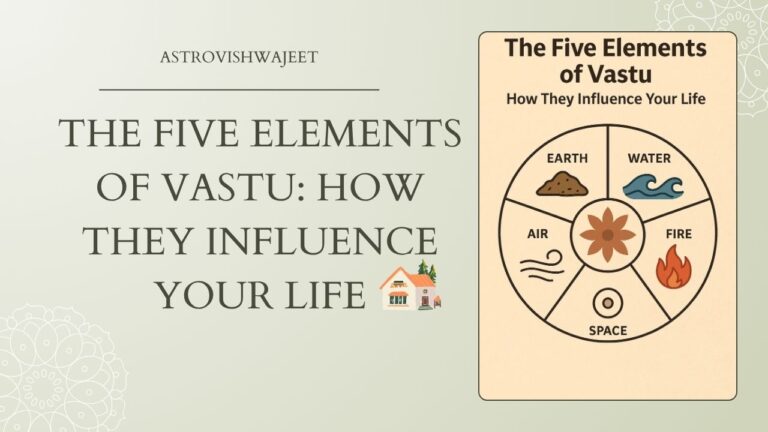
Vastu Shastra is an ancient Indian architectural science that aims to create balanced living environments. It considers the interaction of the five elements (Earth, Water, Fire, Air, and Space), directional energies, sunlight, ventilation, and human activity.
Many misconceptions arise because people interpret Vastu as a rigid set of dos and don’ts. However, authentic Vastu is practical. It evaluates the overall energy balance rather than focusing on isolated features.
When discussing basements and terraces, it is important to understand that these areas are extensions of the building. Their influence depends on how they are integrated into the overall design.
Myth 1: A Basement is Always Bad Vastu
Reality
This is perhaps the most common misconception.
A basement is not automatically considered inauspicious. In fact, Vastu recognizes underground spaces when they are properly designed and appropriately located.
Several commercial buildings, shopping complexes, offices, hospitals, and modern homes include basements without experiencing negative effects solely because of their presence.
The key considerations include:
- Proper direction
- Adequate ventilation
- Natural lighting
- Cleanliness
- Appropriate usage
- Balanced structural design
When these factors are addressed, a basement can function efficiently without disturbing the energetic balance of the building.
Myth 2: Basements Should Never Be Used for Living
Reality
Traditional Vastu generally discourages using basements as primary living spaces because underground areas receive limited sunlight and reduced air circulation.
However, this does not mean basements cannot be used at all.
Suitable uses include:
- Parking
- Storage
- Home gym
- Meditation room
- Library
- Entertainment room
- Workshop
- Utility area
- Home office with sufficient ventilation
If someone intends to use a basement regularly, ensuring good lighting, fresh air, moisture control, and cleanliness becomes essential.
Modern ventilation systems have significantly improved the practicality of basement spaces.
Myth 3: The Entire Basement Must Cover the Whole Plot
Reality
Vastu does not require every basement to extend beneath the entire building.
Many experts recommend that if only a partial basement is constructed, preference should generally be given to the northern or eastern portions rather than extending excessively into the southwest.
This approach supports better energy balance while maintaining structural stability.
Every project, however, should be evaluated individually based on:
- Plot orientation
- Road location
- Building layout
- Structural requirements
- Intended use
Blanket rules rarely apply to every property.
Myth 4: Water Seepage Has No Effect on Vastu
Reality
Water leakage is not merely a structural issue.
In Vastu, stagnant water, dampness, mold, and persistent moisture symbolize stagnation of energy. They may also create unhealthy indoor environments.
A Vastu-compliant basement should always have:
- Proper waterproofing
- Effective drainage
- Moisture control
- Regular maintenance
- Adequate air circulation
Ignoring these practical concerns often causes more problems than directional placement itself.
Myth 5: Heavy Storage is Acceptable Anywhere in the Basement
Reality
Weight distribution is an important consideration in Vastu.
Heavy storage generally aligns better with the southern and western portions of a building, while the northern and eastern sides are ideally kept lighter and more open.
This principle helps maintain symbolic and functional balance within the structure.
Examples of heavy storage include:
- Machinery
- Metal racks
- Construction materials
- Large safes
- Heavy furniture
Planning storage intelligently contributes to better organization as well as Vastu harmony.
Understanding Terrace Vastu
Terraces represent openness and interaction with the sky element.
Unlike enclosed rooms, terraces receive direct sunlight, fresh air, rainfall, and natural energy throughout the day.
Because of this, their design significantly influences the overall energy of the house.
However, many beliefs surrounding terrace Vastu are exaggerated.
Myth 6: Nothing Should Ever Be Placed on the Terrace
Reality
A completely empty terrace is not a Vastu requirement.
Terraces can accommodate many useful features, including:
- Seating areas
- Pergolas
- Solar panels
- Rooftop gardens
- Water harvesting systems
- Outdoor yoga spaces
- Small gazebos
The important consideration is balanced placement rather than total emptiness.
Myth 7: Every Terrace Garden Violates Vastu
Reality
Terrace gardens are increasingly popular in urban homes.
From a Vastu perspective, greenery is generally considered beneficial because it represents growth, vitality, and harmony with nature.
However, proper planning matters.
Some useful recommendations include:
- Maintain healthy plants.
- Remove dead vegetation promptly.
- Avoid excessive clutter.
- Ensure proper drainage.
- Prevent water stagnation.
A well-maintained terrace garden can become one of the most positive spaces in the home.
Myth 8: Overhead Water Tanks Can Be Installed Anywhere
Reality
The placement of overhead water tanks receives considerable attention in Vastu.
Traditionally, heavier structures such as water tanks are preferred in the southwest portion of the terrace whenever structurally feasible.
Conversely, the northeast is generally kept lighter and more open.
This recommendation supports the broader Vastu principle of balancing heavier and lighter zones within the property.
Of course, engineering safety and municipal regulations should always take precedence during installation.
Myth 9: Solar Panels Create Negative Energy
Reality
Some homeowners worry that solar panels interfere with Vastu.
There is no traditional Vastu principle that prohibits solar energy systems.
In fact, solar panels make productive use of sunlight, reduce electricity consumption, and support sustainable living.
Their placement should primarily follow engineering efficiency, structural safety, and maintenance accessibility.
From a practical perspective, they are fully compatible with modern Vastu-conscious homes.
Myth 10: Every Terrace Must Slope in the Same Direction
Reality
Proper drainage is essential.
Traditional Vastu often recommends gentle slopes that allow rainwater to flow efficiently without stagnation, with many practitioners favoring drainage toward the north or east where practical.
However, local building codes, structural engineering, and waterproofing requirements should always guide the final design.
The primary objective is preventing water accumulation and leakage.
Common Basement Vastu Guidelines
While every building differs, the following practices are widely recommended:
- Keep the basement clean and organized.
- Ensure sufficient lighting.
- Provide effective ventilation.
- Prevent dampness and mold.
- Avoid unnecessary clutter.
- Use the basement for appropriate functions.
- Maintain regular maintenance schedules.
- Ensure structural safety.
These practical measures often have a greater impact than obsessing over minor directional concerns.
Common Terrace Vastu Guidelines
For terraces, homeowners may consider:
- Keeping the area clean.
- Providing proper drainage.
- Removing broken items.
- Maintaining healthy plants.
- Using balanced landscaping.
- Avoiding unnecessary junk storage.
- Installing safety railings.
- Conducting regular waterproofing inspections.
A terrace that receives sunlight and fresh air naturally contributes to a pleasant living environment.
Modern Architecture and Vastu Can Coexist
One of the biggest misconceptions is that modern homes cannot follow Vastu.
This is simply untrue.
Today’s homes often include:
- Basements
- Home theaters
- Elevators
- Rooftop gardens
- Solar panels
- Home offices
- Smart technology
- Rainwater harvesting systems
None of these innovations automatically conflict with Vastu.
The goal is thoughtful integration rather than rejecting modern conveniences.
Professional architects increasingly combine structural engineering, environmental sustainability, and Vastu principles to create balanced homes suited for contemporary lifestyles.
When Should You Seek Professional Vastu Advice?
General Vastu guidelines are useful, but every property is unique.
Professional consultation may be valuable when:
- Building a new home
- Purchasing land
- Planning major renovations
- Designing a commercial building
- Constructing a basement
- Developing rooftop structures
- Resolving recurring layout concerns
A qualified Vastu consultant should evaluate the entire property rather than focusing on a single feature in isolation.
Final Thoughts
Basements and terraces are often misunderstood in Vastu discussions. Many myths have developed over time through incomplete information, fear-based interpretations, and oversimplified advice.
The reality is that neither a basement nor a terrace is inherently auspicious or inauspicious. Their influence depends on thoughtful planning, proper construction, balanced usage, structural safety, ventilation, cleanliness, and overall integration with the building.
Vastu Shastra encourages harmony rather than rigidity. It seeks to create living spaces that support health, comfort, prosperity, and peace while respecting the natural environment. Modern homes can successfully incorporate basements, rooftop gardens, solar panels, and contemporary amenities without violating these principles.
Instead of relying on myths or blanket rules, homeowners should focus on practical design decisions supported by sound engineering and authentic Vastu wisdom. When approached with balance and understanding, both basements and terraces can become valuable, functional, and energetically positive parts of any home.