Colors in Vastu: How to Paint Your Way to Positive Energy

Colors have a profound impact on our emotions, thoughts, and the overall energy of our surroundings. In Vastu Shastra, the ancient Indian architectural science, colors are not merely decorative elements; they are powerful tools for balancing the energies of a space. When chosen and used correctly, colors can enhance positivity, promote health, attract prosperity, and bring harmony to your home or workplace.
This article delves deep into colors in Vastu and how you can use colors according to Vastu Shastra to transform the energy of your environment and manifest a more balanced and fulfilling life.

The Importance of Colors in Vastu
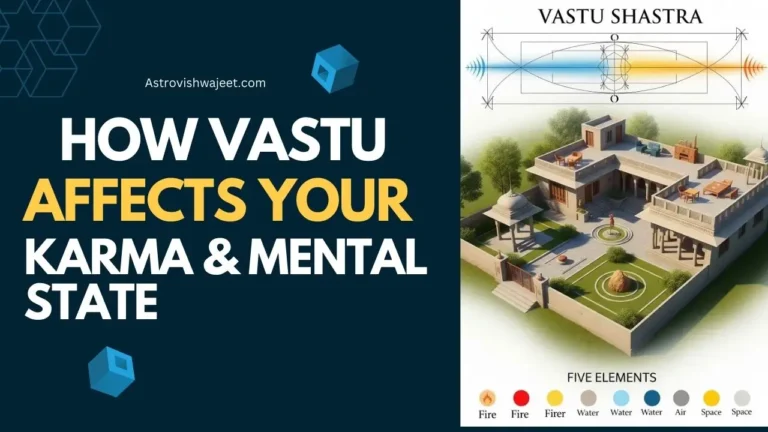
Vastu Shastra revolves around the five elements—Earth, Water, Fire, Air, and Space—each of which influences the energy flow within a building. Colors, being closely connected to these elements, can either amplify or disrupt the energy balance. For instance:
- Warm colors like red and orange relate to the Fire element and stimulate activity.
- Cool shades like blue and green represent Water and Air, offering tranquility and freshness.
- Neutral tones like white and beige align with the Space element, creating openness and purity.
When colors are aligned with the directional energies of a space, they foster positivity. Conversely, mismatched colors can disturb harmony and attract obstacles.
The Psychological Impact of Colors
Before diving into Vastu-specific recommendations, it’s important to understand the psychological effects of colors:
- Red: Stimulates passion, energy, and courage but can cause aggression if overused.
- Orange: Inspires creativity, joy, and enthusiasm.
- Yellow: Promotes optimism, intellect, and clarity.
- Green: Represents balance, growth, and healing.
- Blue: Evokes calmness, peace, and communication.
- White: Symbolizes purity, clarity, and simplicity.
- Black: Represents power but can also create heaviness.
- Purple/Violet: Associated with spirituality and luxury.
- Pink: Inspires love, kindness, and warmth.
In Vastu, these psychological aspects are combined with the energy of directions to achieve harmony.
Direction-Wise Color Recommendations
Each direction in Vastu corresponds to specific elements and planetary energies. Selecting the right colors for each direction can help balance the environment:
1. North Direction (Ruled by Mercury – Element: Water)
- Best Colors: Green, light blue, shades of silver
- Reason: These colors enhance prosperity and career growth as they resonate with Mercury’s energy.
- Avoid: Red or pink, as these disrupt Mercury’s vibration.
2. South Direction (Ruled by Mars – Element: Fire)
- Best Colors: Red, orange, deep pink, or maroon in moderation
- Reason: These shades complement the fiery energy of Mars and increase confidence and vitality.
- Avoid: Blue or black, which can weaken Mars’s strength.
3. East Direction (Ruled by Sun – Element: Air)
- Best Colors: White, light yellow, or light green
- Reason: These colors channel the Sun’s energy, bringing good health and abundant opportunities.
- Avoid: Dark shades like black or blue, which block sunlight’s vibrancy.
4. West Direction (Ruled by Saturn – Element: Water)
- Best Colors: Shades of blue, white, or light gray
- Reason: These hues harmonize with Saturn’s energy, promoting stability and success.
- Avoid: Red or orange, which create friction with Saturn.
5. Northeast Direction (Ruled by Jupiter – Element: Water)
- Best Colors: Yellow, light blue, or cream
- Reason: This is a sacred direction; soothing colors enhance spiritual energy and clarity.
- Avoid: Dark colors like black or red, which may block spiritual growth.
6. Northwest Direction (Ruled by Moon – Element: Air)
- Best Colors: White, cream, or light shades of gray
- Reason: These shades align with the Moon’s nurturing energy, fostering good relationships.
- Avoid: Deep yellow or red, which may create emotional imbalance.
7. Southeast Direction (Ruled by Venus – Element: Fire)
- Best Colors: Light red, orange, or pink
- Reason: These colors complement Venus’s energy and enhance wealth and happiness.
- Avoid: Dark blue or black, which weaken positive vibrations.
8. Southwest Direction (Ruled by Rahu – Element: Earth)
- Best Colors: Earthy tones like beige, brown, or peach
- Reason: These shades stabilize Rahu’s intense energy, promoting security and grounding.
- Avoid: White or metallic colors, which may cause instability.
Room-Wise Vastu Color Guide
Choosing the right color for each room is just as crucial as directional alignment. Here’s how you can apply Vastu color principles in different areas of your home or office:
1. Living Room
- Best Colors: Light green, cream, yellow, or pastel shades
- Why: These shades create a welcoming and lively atmosphere.
- Avoid: Too much red or black, which may create tension.
2. Bedroom
- Best Colors: Light blue, pastel pink, lavender, or earthy tones
- Why: These colors promote relaxation, love, and harmony.
- Avoid: Dark red or bright orange, as they can disturb sleep.
3. Kitchen
- Best Colors: Shades of red, orange, or yellow
- Why: These hues align with the Fire element and enhance digestion.
- Avoid: Black or deep blue, as they dampen the kitchen’s energy.
4. Bathroom
- Best Colors: Light blue, white, or pastel shades
- Why: These colors purify and balance the water element.
- Avoid: Dark colors, which can create a heavy vibe.
5. Children’s Room
- Best Colors: Bright green, light yellow, or pastel blue
- Why: These shades encourage growth, playfulness, and concentration.
6. Study or Home Office
- Best Colors: Green, light yellow, or cream
- Why: These shades boost focus, creativity, and productivity.
- Avoid: Dark shades that may induce lethargy.
7. Prayer Room (Puja Ghar)
- Best Colors: White, cream, or light yellow
- Why: These colors enhance spiritual energy and purity.
Balancing Multiple Colors
In modern interiors, it’s common to use multiple colors in the same space. To balance them according to Vastu:
- Use one dominant color and complement it with two or three accent shades.
- Keep the ceiling white or light-colored to reflect positive energy.
- Avoid clashing colors like red and blue or black and yellow together, as they can create imbalance.
- Maintain harmony between wall colors and furniture shades.
Using Color Elements Beyond Paint
Colors in Vastu are not restricted to wall paints alone. You can introduce the right energies through:
1. Furnishings and Upholstery
Curtains, rugs, sofa covers, and cushions can be chosen in Vastu-approved shades. For example, use green or blue curtains in the North or East for enhanced prosperity.
2. Decor Items
Wall art, vases, and decorative objects can also be aligned with directional colors.
3. Lighting
Warm white lights create a cozy, welcoming vibe, while cool white lights enhance focus. Avoid harsh lighting that strains the eyes.
4. Plants and Flowers
Green plants in the North and East directions attract growth. Fresh flowers in the living area invite positivity.
Common Vastu Color Mistakes to Avoid
- Overuse of a Single Dark Color: Using too much black, red, or dark blue can create heaviness and stress.
- Ignoring the Ceiling Color: A dark ceiling can suppress energy; always keep it light.
- Using Colors Against Directional Energy: For example, painting the Northeast wall red can block spiritual energy.
- Mixing Too Many Bright Colors: This creates visual chaos and energy imbalance.
Color Therapy in Vastu
Colors are also used in Vastu for healing purposes. Known as chromotherapy, this method balances physical and mental health through colors:
- Blue light: Relieves stress and lowers blood pressure.
- Green light: Heals emotional wounds and enhances immunity.
- Yellow light: Improves digestion and boosts positivity.
- Red light: Stimulates energy and blood circulation.
You can introduce these therapeutic effects through colored bulbs, candles, or even artwork.
The Role of Personal Preference
While Vastu provides general guidelines, your personal connection to a color matters. If you feel calm and happy in a certain shade, it’s likely beneficial for you. The key is to blend your preferences with Vastu principles for the best results.
Tips for Choosing the Right Paint Shades
- Test Samples: Always test small patches before finalizing a color. Lighting conditions can change how a shade looks.
- Consider the Size of the Room: Light colors make a small room look spacious, while darker shades add coziness to large rooms.
- Coordinate with Furniture: Choose colors that complement your existing furniture and decor.
- Seek Professional Help: An interior designer familiar with Vastu can help you balance aesthetics and energy.
Final Thoughts
Colors are one of the simplest yet most powerful ways to harmonize your home or workplace, according to Vastu Shastra. By aligning your choice of colors with the elements, directions, and room functions, you can paint your way to positive energy, improved health, and greater prosperity.
Start with small changes—add a green plant in the North, paint your living room in soothing pastels, or brighten your Puja room with white walls. Over time, these color adjustments can create a significant shift in the energy of your environment and your life.